
The Complete Production Journey of Large Steel Sphere
An Inside Look at Shiny’s End‑to‑End Manufacturing Process for Global Buyers
In the world of modern sculpture, architecture, and industrial design, large steel sphere stand out as iconic elements that blend aesthetic appeal with structural integrity. These massive steel sphere, often crafted from high-grade stainless steel, are not just visually striking but also engineered to withstand environmental challenges. Understanding the large steel sphere production process is essential for manufacturers, designers, and buyers alike. This comprehensive guide delves into the intricate steps involved in manufacturing these steel spheres, from initial conceptualization to final polishing. Whether you’re sourcing for a public art installation or an architectural project, mastering how to make large steel sphere manufacturing techniques ensures quality.
1. Conceptualisation & Project Positioning
Every successful sphere begins with a clear understanding of the project positioning. Our sales engineers work closely with architects, OEM designers or marketing teams to define:
- Aesthetic intent – proportion, visual weight and surface character that will be seen from ground level or aerial viewpoints.
- Functional requirements – load‑bearing capacity, environmental exposure (corrosion‑resistant grades, UV stability), integration of embedded systems such as lighting or sensors.
- Logistical constraints – maximum container dimensions, on‑site assembly preferences and transport routes.
By interpreting these parameters early, we avoid costly redesigns later and ensure the final sphere aligns perfectly with the client’s vision.
2. Digital Modeling & Virtual Prototyping
Once the brief is locked, our CAD team creates a high‑resolution 3D model using SolidWorks® and Rhino®. The digital prototype serves three critical purposes:
- Owner Confirmation – Clients receive realistic renderings and a virtual walk‑through to approve shape, texture and any custom features.
- Tool Path Planning – The model is sliced into concentric layers, each representing a sheet‑metal segment. This “layer‑strip” is the foundation for laser‑cut programming.
- Structural Simulation – Finite Element Analysis (FEA) predicts stress distribution during water‑pressure forming, guaranteeing that the final sphere will meet safety factors required for public installations.
The result is a digital “master file” that drives every downstream operation, from material coding to CNC programming.
3. Optimized Sheet‑Metal Layout
Large spheres are assembled from many flat stainless‑steel plates, typically 304 or 316 grade for superior corrosion resistance. The workflow is as follows
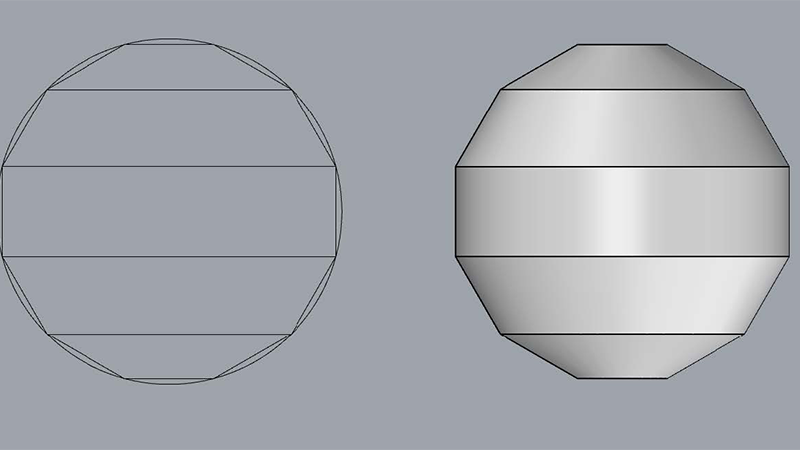
Spread out to each layer, indicating the job number, drawing number, unit number, quantity, and forging 0n back sides.
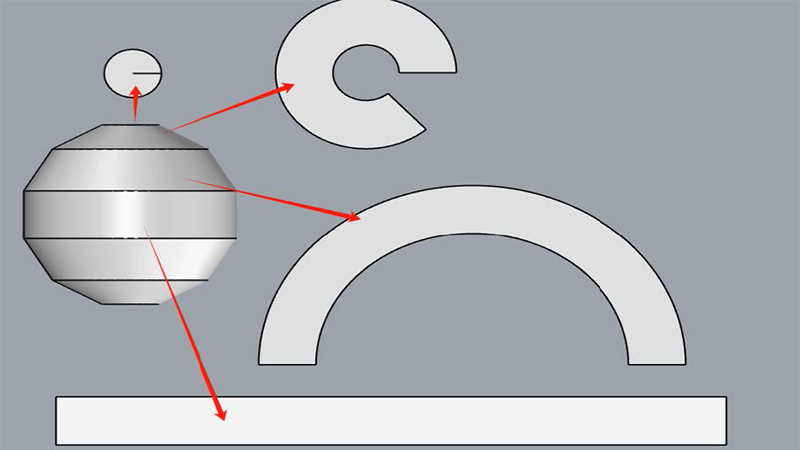
Program stainless steel sheet dimensions with software, efficiently arranging electronic templates for cutting

If your project requires LED holes to diffuse light, we will evenly distribute holes and LED maintenance doors on the sphere.
4. Precision Laser Cutting
The heart of MetalSphere’s fabrication capability is a large‑scale fiber laser cutting system (up to 6 kW) equipped with a high‑speed gantry and adaptive focus. Why laser?
- Accuracy: Cut tolerances of ±0.03 mm guarantee that each panel will fit its neighbor without the need for secondary machining.
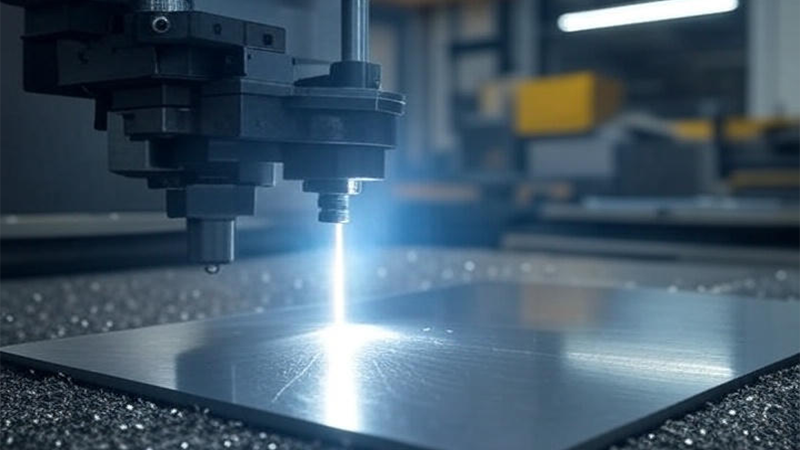
- Speed: Up to 1 m²/min of cutting area means we can finish a 2‑ton sphere in days rather than weeks.
- Clean Edges: Minimal heat-affected zone reduces the risk of micro‑cracks, a crucial factor for spheres that will later endure internal pressure.
All cut parts are automatically sorted by the CNC system and staged for welding, preserving traceability throughout the process.
5. Welding & Forming – From Flat Panels to a Closed Shell
5.1TIG/MIG Welding
Each stainless steel panel is meticulously welded into its designated position, precisely following the detailed seam map generated in step 2. Continuous weld beads are expertly applied, ensuring seamless joints with stringent penetration control, typically set at 0.8 mm for panels with a 6 mm thickness. This precise control is critical to achieving a robust, hermetic shell capable of withstanding significant internal water pressure without compromising structural integrity. The welding process adheres to rigorous standards, employing advanced techniques to maintain consistent bead quality and uniformity. By carefully controlling penetration depth and weld continuity, the resulting structure ensures durability and reliability, meeting the demanding requirements of high-pressure environments while maintaining a leak-proof seal essential for water pressure forming operational efficiency and safety.
5.2Water‑Injection Pressure (Hydro‑Forming)
After the initial welds, the partially assembled sphere is placed on a waterpressure platform. A high‑capacity booster pump injects de‑ionised water at up to 8 MPa (≈1,200 psi) into the interior cavity.
- Uniform Pressure: The water expands evenly, gently forcing each panel outward until the structure attains a perfect spherical geometry.
- Stress Redistribution: The pressure also consolidates weld seams, eliminating micro‑gaps and improving fatigue resistance.
The hydro‑forming stage is fully monitored by pressure sensors and laser scanners, ensuring that the final diameter stays within ±2 mm of the target specification—an essential tolerance for projects demanding precise alignment with surrounding architecture.
6. Modular Construction for Oversized Loads
Many of our clients require large steel spheres larger than what a standard 20/40‑ft container can accommodate. Shiny offers two proven solutions:
Petal Segmentation:
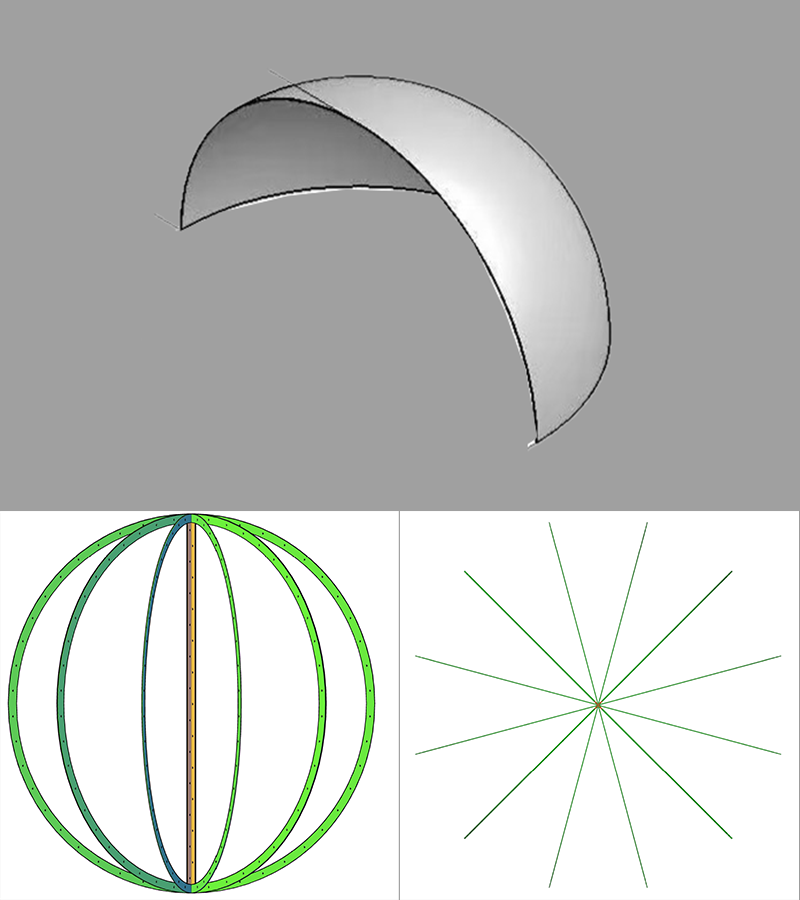
- The sphere is pre‑cut into 4 or 8equal “petals” (depending on overall size).Each petal can be stacked for shipment to save shipping cost.
- Internal Framework Kits: For ultra‑large steel sphere installations, we supply a light weight stainless‑steel rib cage that fits inside the sphere. The ribs bolted together on‑site using pre‑drilled alignment holes and welded together the sphere shell on location, providing additional rigidity without increasing transport weight and volume.here’s a reference project: 12ft steel sphere for Santa Fe Opera Theater
Both options are designed to minimize customs duties and simplify logistics for global buyers, while maintaining the structural integrity of the finished sphere.
7. Base Integration & Site‑Ready Installation
For outdoor or public‑space applications, a robust foundation is mandatory. Shiny fabricates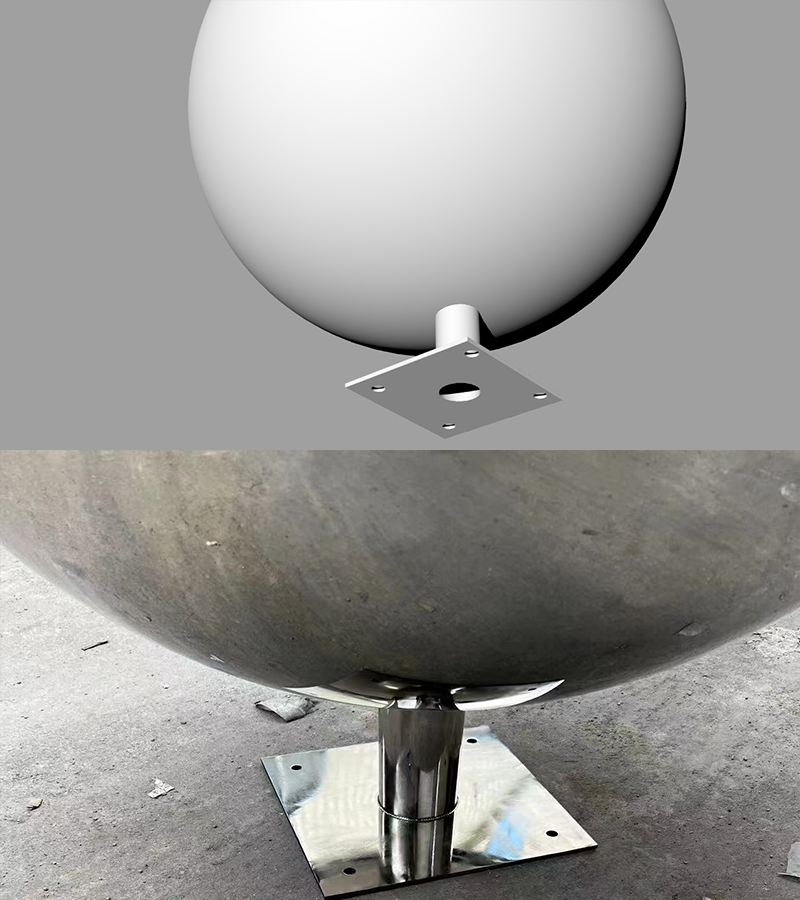 a standard base configurations:
Round Base or Square Plate: A circular/square steel plate (customized diameter) with four pre‑drilled holes for anchoring bolts. A short tube is welded to the bottom of sphere, creating a seamless transition from sphere to ground.
Both bases are stainless steel (or galvanized mild steel, per client request) to resist corrosion in coastal or industrial environments.
8. Mirror‑Polish Surface Treatment – From Raw to Brilliant
The final touch in large steel sphere manufacturing is surface treatment, transforming the raw steel sphere into a mirror-like masterpiece.
| 1. Surface Preparation | Degreasing, ultrasonic cleaning | Alkaline detergent + DI water |
| 2. Rough Polishing | Mechanical grinding to remove marks | 80–120 grit silicon carbide |
| 3. Medium Polishing | Refine surface texture | 240–400 grit aluminium oxide |
| 4. Fine Polishing | Achieve near‑mirror flatness | 800–1200 grit synthetic diamond |
| 5. Superfine Polishing | Final gloss | 1500–3000 grit cerium oxide |
9. Why Choose Shiny Balls Ltd for Your Large Steel Sphere Project?
- End‑to‑End Expertise: From concept to installation, every step is handled in‑house, eliminating the coordination gaps that frequently plague overseas manufacturing.
- Precision Engineering: Laser‑cut tolerances, water pressure control and high grade polishing ensure a product that meets the strictest international standards.
- Scalable Logistics: Modular petal design and pre‑made base systems make even a 3‑meter large steel sphere manageable for global freight.
- Competitive Pricing: Optimized nesting and minimal scrap keep material costs low, translating into attractive FOB /EX-FACYPRU/DDU/DDP/CIF quotes for importers.
- Sustainability: Stainless steel is 100 % recyclable; our water‑pressure process uses deionized water and generates no hazardous waste.


 SHINY BALLS LTD
 SHINY BALLS LTD
 SHINY BALLS LTD